Learn Archive
Past market editions, kept exactly as published.
Each of our market pieces is written for a specific month, and we do not quietly rewrite them later. When the
month turns, the piece moves out of the featured slot and gets listed here with its original date and its
original call. It stays readable on the main Learn page too.
We keep them for a practical reason. Reading what the market looked like six months ago, next to what actually
happened, is the fastest way to calibrate how much weight any forecast deserves. It is also the only honest way
to run a site that comments on rates: if we were too cautious in the spring or too optimistic in the summer,
that is still on the page.
Back to Learn →
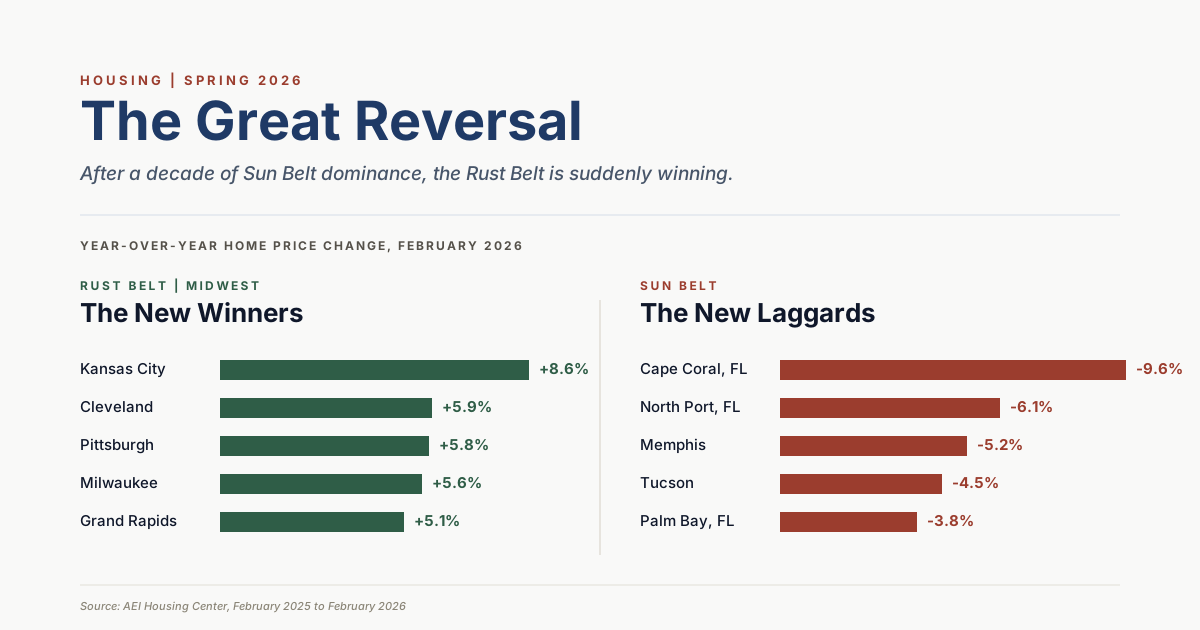
Past weekly market update The Great Reversal: Why the Rust Belt Is Outperforming the Sun Belt This Spring
A concise April 2026 market read on regional divergence, inventory pressure, and why national averages hide local reality.
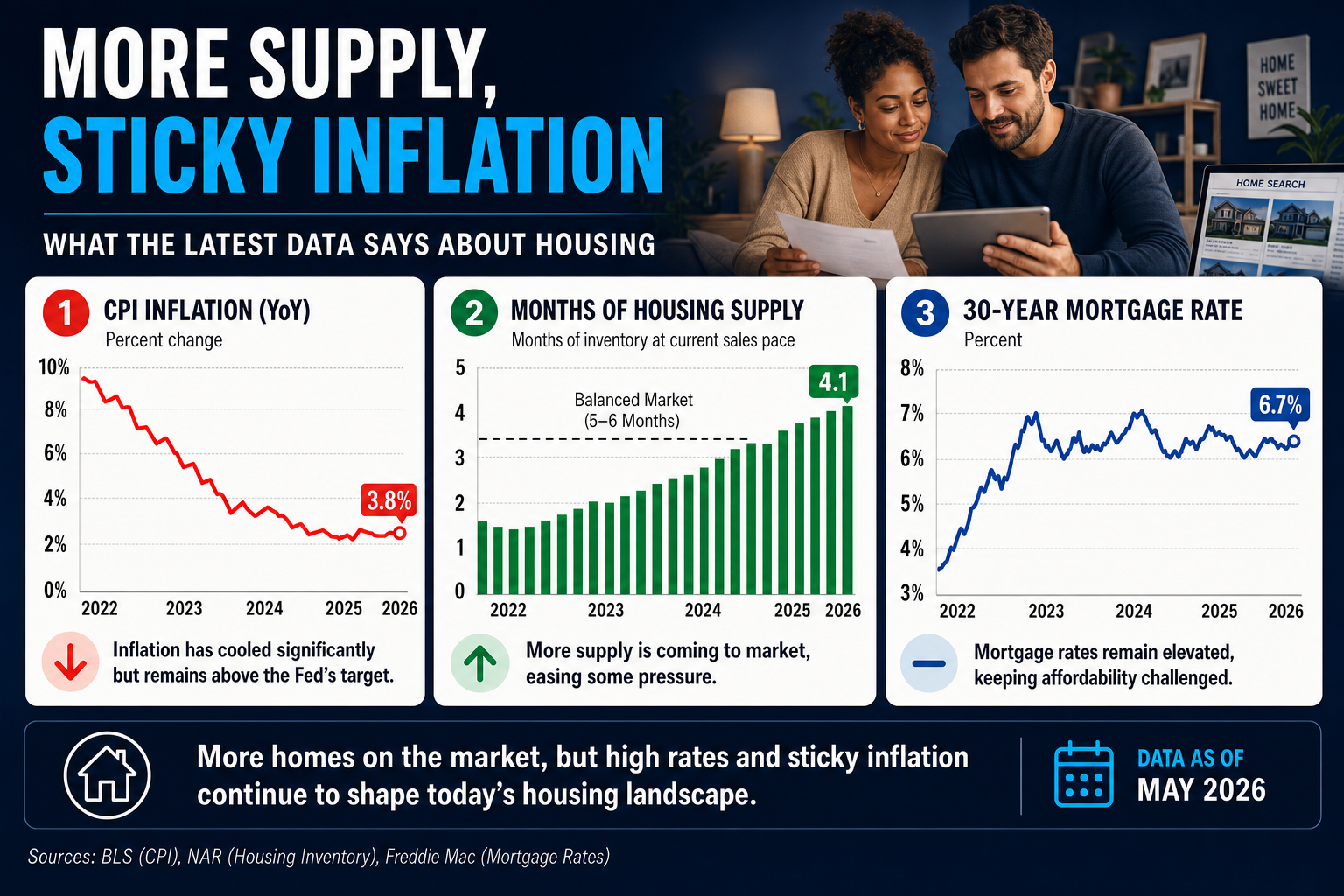
Past monthly feature More Supply, Sticky Inflation: What May 2026 Means for Buyers and Sellers
May 2026 featured archive: CPI, inventory, and mortgage-rate charts with buyer and seller playbooks.
Past monthly feature Summer 2026 Housing: Negotiation Season With Rates Still Near 6.7%
June read: sticky inflation, inventory high enough to compare again, and why a 6.7 percent payment still decides who can buy.
Why some pieces are dated and others are not
Rateshive publishes two kinds of writing, and they age very differently. Keeping them separate is the reason
this page exists.
Evergreen guides explain mechanics that do not change with the calendar: how amortization
works, what sits inside a housing payment, how private mortgage insurance comes off a loan, what each page of a
Loan Estimate is telling you. These live permanently on the Learn hub. We revise them when
a rule changes or when we can explain something better, and the byline shows both the original publication date
and the last update.
Market editions are written about a specific moment. A monthly feature describes what the
season looks like for buyers and sellers right now, which means its observations about inventory, negotiating
room, and listing behavior are tied to the weeks when it was written. These rotate out of the featured slot
when the month turns and get listed here, with the original date attached and the text left alone.
We do not backdate, silently refresh, or quietly delete the older ones. A dated take that did not pan out is
more useful to you than a page that has been edited to look like it was right all along.
Treat the numbers as history
Dated commentary is useful for direction and for the reasoning behind a call. It is not useful for levels. A
rate, an inventory count, or a days-on-market figure quoted in a piece from several months ago has almost
certainly moved, so treat every number in these editions as a historical snapshot rather than current data.
For today's benchmarks, use the market page, which pulls from Freddie Mac's weekly survey
and Treasury series rather than from anything written here. For the mechanics that do not change with the
calendar, the evergreen guides are the better reference:
why rates move when the Fed does not,
how Treasury yields set mortgage pricing, and
deciding whether to lock.
Our sourcing rules, refresh schedule, and corrections policy are documented in our
methodology and disclosures. If you find something in an older edition that was
wrong at the time of writing, tell us through contact and we will add a dated correction
note rather than silently editing the text.
What an old edition is still good for
An archived market note is a record of what a careful reader could have known that month, and of which calls
aged well. It is not a source for the rate you should lock on Tuesday. If a spring piece said inventory was
loosening and the summer data agreed, the reasoning was useful. If it guessed a rate path that did not arrive,
the miss is part of the record. We leave the text in place so you can see the miss instead of meeting a page
that has been edited into hindsight.
Read an old edition for the mechanism, then check the level somewhere current. The mechanism might be that
sellers were offering credits instead of cutting the headline price, or that days on market had stopped being
a one-weekend story. The level, a specific mortgage average or a months-of-supply figure, belongs on the
market page and in the latest Learn market note, not in a paragraph written for a month
that has already closed. Freddie Mac's weekly survey and the Treasury series move. Our commentary does not
rewrite itself to follow them.
Evergreen guides are the other shelf. They cover the Loan Estimate, debt-to-income, private mortgage
insurance, closing costs, and the mortgage-Treasury spread. Those pages carry a published date and a revision
date because a rule can change. Market editions carry one date because the month does not come back. If you
are deciding whether to lock, refinance, or accept an offer this week, start with the evergreen piece and the
live benchmark. Use the archive when you want to see whether last season's advice would have helped, which is
a different and still useful question.
If you cite an archived edition, cite the date in the byline with it. A rate or an inventory count from
that month is history. The reasoning might still be useful. The level is not a current benchmark.
A practical way to use this page is to pick one old edition and one decision you are making now, and see
whether the old reasoning still applies once the level has changed. A spring comment about seller credits
can still be true in a thin autumn even if the mortgage average printed then is stale. A comment that
assumed bidding wars is not. The archive is for that comparison. It is not a second home for current advice,
and it is not a place we hide pages that underperformed. They stay linked from Learn as well.
We do not treat the archive as a second, thinner copy of the live library. Each card below is the original
edition. The summary is the summary we published with it. If a figure in one of them was wrong on the day it
was written, the correction belongs as a dated note, which is the policy on the
methodology page.